Private Room, Shared Room or Flexible Zone? Choosing a Space Plan
Compare private rooms, shared rooms and flexible zones to match household space with daily use, privacy needs and room to adapt.

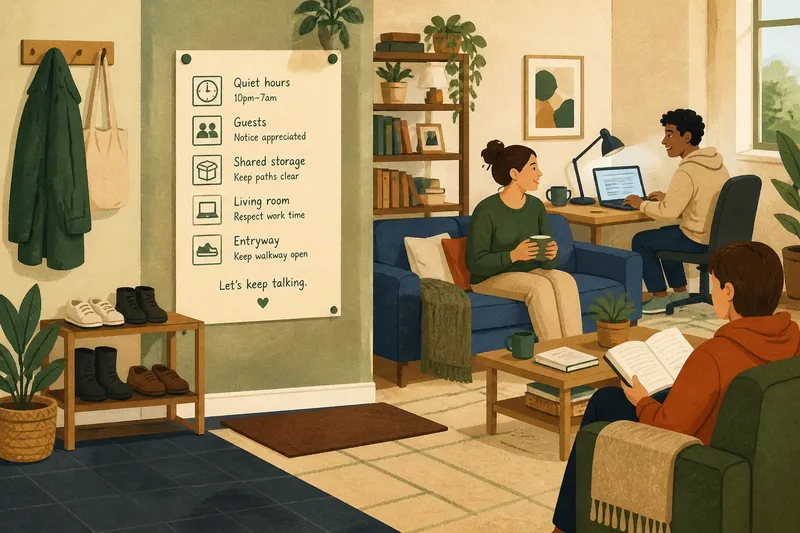
Which shared-space plan fits your household: a private room, a room everyone uses, or a flexible zone that changes by the hour? Choosing between these arrangements means looking past the floor plan and noticing who needs the space, how often, and what privacy requires. A room can be physically shared yet feel unavailable if its main use keeps everyone else out.
Start with the room’s rhythm
Frequency matters, but frequency alone does not settle the choice. A room used briefly by several people throughout the day may need to stay open and easy to reset; one person’s regular, concentrated use may call for a clearer claim. Notice the pattern across ordinary weekdays and quieter days, rather than judging by an unusually busy evening.
Track the room’s purpose in plain terms: eating, work calls, hobbies, guests, or a place to decompress. A paper calendar on the kitchen wall can reveal overlaps that memory smooths over. Mark recurring use, not every passing visit.
If use is occasional but unpredictable, keeping the room adaptable may matter more than reserving it for the person who happens to use it most often.
Private rooms, clear claims
A private room gives one person reliable control over access, setup, and interruption. That can suit focused work, confidential conversations, a caregiving task, or a hobby that takes time to arrange. The tradeoff is that a room designated private may become functionally absent from the household, even if it looks empty.
Consider the difference between a door that signals “please knock” and one that means “this room is not shared.” If the room has a household purpose as well as an individual occupant, agree on when others may enter and what must remain untouched. A desk, locked cabinet, or folding screen can separate personal materials from shared use without making the entire room off-limits.
Private assignment works best when the household can accept the space being unavailable during its main use. If that would repeatedly displace others, look for a smaller private area within a shared room instead.
Shared rooms, common access
A shared room makes collective use visible: people can eat at the table, sit together, or use a common work surface without asking one person to surrender a personal room. It is often a natural fit when many household members use the same activity at different times and can leave the room ready for the next person.
Shared access does not mean every activity belongs there. A living room may work for conversation and quiet reading but not for a confidential call or a project that must stay set up. Identify which activities fit the room’s ordinary character, then preserve another option for tasks that need quiet, privacy, or uninterrupted storage.
Watch for the less visible cost: the person who clears the table, moves a chair, or packs away supplies may carry more of the work. A shared room stays genuinely usable when resetting it is simple and the effort is not silently assigned to one resident.
Flexible zones, changing uses
A flexible zone is a defined part of a room that changes purpose without changing ownership of the whole room. A dining table might serve for meals, paperwork, and a board game; a corner might shift between stretching and a child’s play. The arrangement depends on movable objects and a clear way to return the area to its next use.
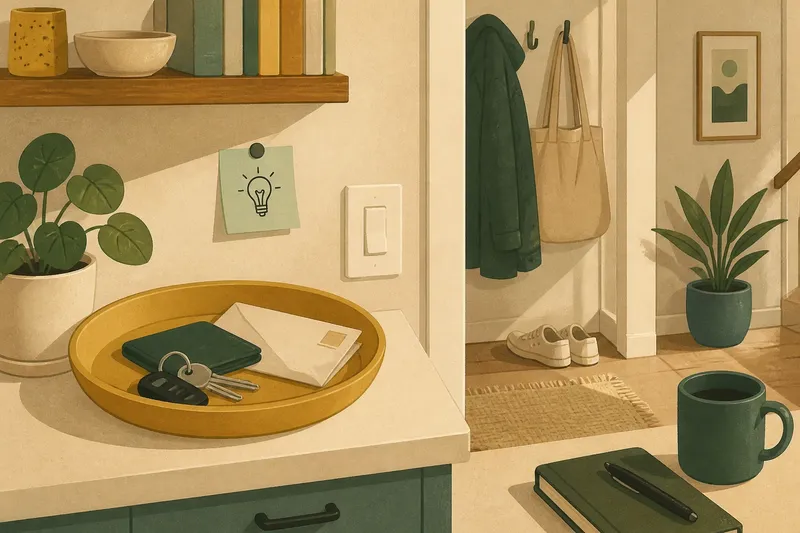
Choose tools that make the shift visible and manageable: a rolling cart for art supplies, a lidded box for papers, a washable mat, or a lamp that marks a work corner. Storage should be near the activity, not across the apartment. If setup and clearing feel like a separate project, the flexible zone may work less well than it appears on paper.
Imagine a household where one person uses the dining table for remote work in the morning and others need it for dinner. A small desk caddy can keep work materials together, while a clear shelf holds the caddy between uses; the expected observable result is a table that can return to meal use without searching for scattered supplies.
Choosing a space plan?
How do I choose between a private and shared room?
Ask whether someone needs reliable control of the room or whether different people can use it at separate times. Choose a private room when privacy or a stable setup is essential and the household can spare the common access; choose shared use when activities are compatible and resetting is straightforward.
Can one room serve both private and shared purposes?
Yes, if the boundary is concrete: a personal desk, closed storage, or agreed times can protect individual use while leaving the rest of the room available. The arrangement is harder to sustain if personal belongings spread into the shared area or if access rules remain ambiguous.
What makes a flexible zone practical?
It needs a repeatable transition: supplies have a home, furniture can move without effort, and the next user can see when the area is available. Try the transition in ordinary conditions before assigning the zone several different purposes.
When should a space plan change?
Reconsider it when a room is repeatedly unavailable, a person’s privacy needs change, or shifting activities create regular friction. A short conversation about the room’s actual pattern can help distinguish a temporary busy spell from a lasting mismatch.
Check the fit in practice
Before making a lasting assignment, walk through a typical day and name who uses the room, what they do there, and what must remain private. Then test the arrangement with temporary cues: a paper sign for reserved time, painter’s tape marking a zone, or a basket that holds shared supplies. Keep the trial modest; the point is to notice friction, not to make a perfect plan on the first attempt.
- List the room’s recurring activities and note which ones need quiet or confidentiality.
- Notice whether uses happen at the same time or can take turns.
- Identify belongings that must stay in place and those that can be stored away.
- Ask who will reset the room after each activity and whether that work is acceptable.
- Choose a visible signal for privacy or availability, such as a closed door or a cleared table.
Those observations point toward a private room, shared room, or flexible zone without treating any one arrangement as the default. A useful space plan lets people understand when they may enter, what they may use, and how the room becomes available again. If those answers change, the plan can change with them.
The best test is whether the room’s ordinary pattern leaves everyone with a workable place to do what matters. A small, clearly protected corner may offer more useful privacy than a whole room that sits empty, while an open table may serve the household better than a room divided into competing claims. Keep the arrangement easy to explain, and revisit it when the pattern—not just one difficult day—has shifted.